

The root chakra is the foundation of the chakra system — the energy centre most closely associated with your sense of safety, stability, and belonging. Rooted in red, it sits at the base of the spine and connects you to the earth, your body, and your most essential needs. Whether you are just beginning to explore chakras or deepening a long-standing practice, the root chakra is the natural place to start.
What Is the Root Chakra?
The root chakra — known in Sanskrit as Muladhara, meaning “root support” — is the first of the seven main chakras in the body’s energy system. Within chakra traditions, it is said to govern physical survival, security, belonging, and the most instinctive layers of our experience. It is positioned at the base of the spine, and its energy is understood to flow downward into the earth.
Red is the colour traditionally associated with the root chakra. Within colour therapy traditions, red is the colour of vitality, groundedness, and the will to be here — fully present, anchored, and alive.
When practitioners talk about the root chakra, they are referring to the energetic foundation from which all other chakras rise. The heart chakra, the throat chakra, the crown — each depends, in this tradition, on a settled and secure base beneath it. A stable root makes everything above it possible. You can read more about how colour flows through the whole system in our guide to chakra colours.
Why Is the Root Chakra Connected to Red?
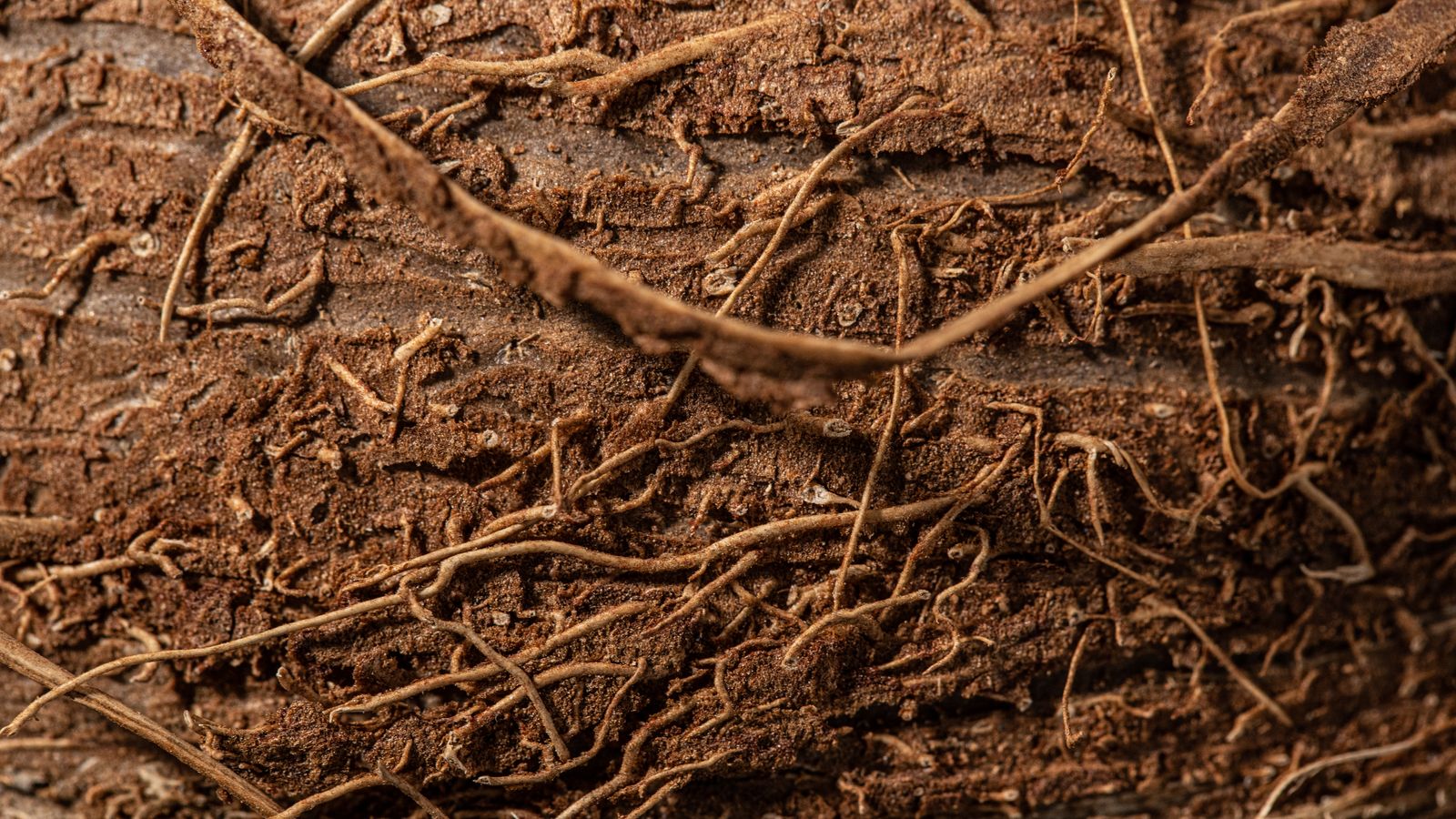
In colour therapy traditions, each colour carries a particular quality of energy, and red is the most physically activating of them all. It is associated with vitality, courage, presence, and the drive to act and survive. Red connects to the earth element, the physical body, the blood, and the bones.
The root chakra’s red energy is not about aggression — it is about anchoring. Many people find that working with red helps them feel more embodied, more decisive, and more capable of handling the practical realities of daily life. This is why practitioners have long associated red with the base of the energy system: it is where raw life force meets the physical world.
Research in colour psychology supports the idea that red is arousing and activating — it is associated with increased physical awareness and a heightened sense of presence. Colour Energy’s approach layers this with the traditional chakra perspective, creating a grounded and purposeful relationship with the colour red.
What Happens When the Root Chakra Feels Out of Balance?
Within chakra traditions, each energy centre is thought to function well when in balance — and to express certain patterns when it is not. For the root chakra, signs that practitioners associate with imbalance often include: feeling anxious or fearful without a clear reason, a persistent sense of instability or lack, difficulty finishing things or committing to decisions, feeling disconnected from your body or surroundings, or struggling with concerns around basic security and material needs.
When root energy feels overly intense or rigid, it may show up as resistance to change, over-attachment to material security, or an inability to release what no longer serves.
These are the kinds of experiences that root chakra work invites you to notice — not to diagnose, but to observe. The practice is then to use colour, intention, movement, and sensory tools to restore a sense of ease and solidity.
How Do You Work With the Root Chakra?
There is no single correct way to work with the root chakra, but the approaches practitioners return to most often are those that involve the body, the earth, and the colour red.
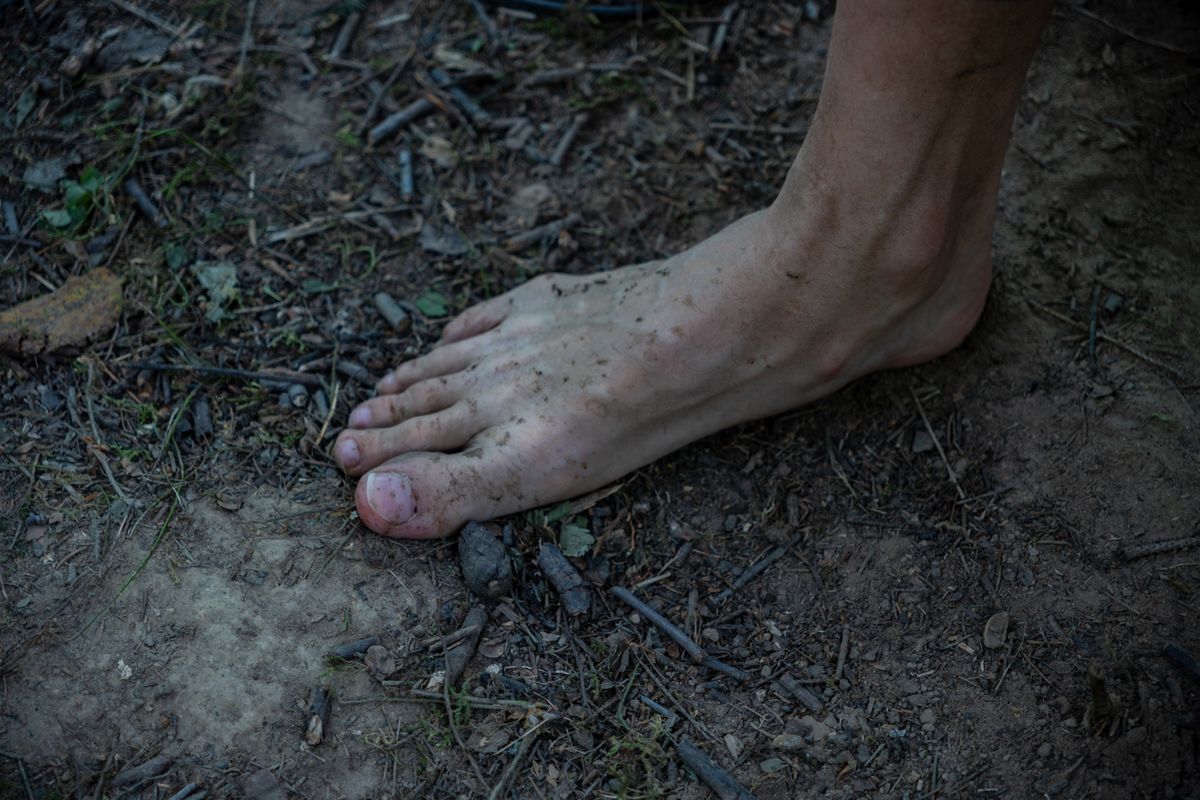
Physical grounding. Bare feet on grass, soil, sand, or tree roots — contact with the earth is one of the oldest grounding practices available. Time outdoors and in nature has well-established associations with a sense of calm and resettlement. Within chakra practice, this direct connection with the ground is often considered a simple, immediate way to support root energy.
The colour red. Wearing red, placing red objects in your environment, or meditating on the colour are all ways practitioners engage the root chakra’s energy. Colour Energy’s philosophy holds that colour is not merely aesthetic — it carries an energetic signature that influences how we feel in our bodies and our space.
Aromatherapy. Warm, earthy, resinous, and woodsy scents are most often associated with root chakra energy. Benzoin Essential Oil — confidence-supporting and rejuvenating, with a warm vanilla-like quality — is traditionally associated with the red energy signature. Black Pepper Essential Oil, described as stimulating and warming, is often chosen to invigorate the physical body and ease stagnation. Both are used by aromatherapists in practices oriented toward presence and grounding.
Intentional movement. Walking, standing firmly on both feet, yoga postures that work the legs and lower body — movement that draws awareness into the feet and the base of the spine is consistently associated with root chakra practice.
Colour Energy’s Red Chakra tools. The Chakra Light Essence Roll-On — Red is a concentrated energetic formula applied to the coccyx (tailbone area) or the soles of the feet. It is described by Colour Energy as designed to “strengthen your primal and survival instincts, which are necessary in making decisions and accomplishing daily challenges” and to support the release of past issues and blockages. For a complete at-home ritual, the Chakra Spa Kit — Red combines a Dead Sea Salt bath soak, a chakra blend sampler, a tumbled red gemstone, a Colour Energy booklet, and instructions — everything for a focused grounding colour bath.
What Gemstones Are Associated With the Root Chakra?
Within crystal traditions, stones in red and earthy tones are most often associated with the root chakra. Red jasper, garnet, black tourmaline, hematite, and bloodstone are among those commonly chosen for their grounding and stabilizing qualities. Obsidian and smoky quartz also carry a strong earth connection in crystal practice.
Chakra gemstones are often held during meditation, placed in a room, or worn as jewellery. Colour Energy’s Chakra Chip Jewellery — available as bracelet, anklet, or necklace — offers a simple, wearable way to carry the intention of each colour centre with you through the day. The Aura Cleanser Spray is also a useful companion: traditionally used to clear and refresh personal energy, it can be applied to cleanse gemstones and crystals, as well as the space around you, keeping your energetic environment clear and supportive.

Root Chakra Energy
Root Chakra at a Glance
Sanskrit name: Muladhara
Colour: Red
Element: Earth
Location: Base of the spine
Associated with: Safety, survival, grounding, belonging, physical presence
Crystals: Red jasper, garnet, black tourmaline, hematite
Oils: Benzoin, Black Pepper, Sandalwood, Patchouli
How Does the Root Chakra Connect to the Rest of the System?
Within the chakra model, the energy centres are interdependent. A settled root chakra is considered foundational to all the others. The sacral chakra, associated with orange energy and creativity, sits just above it. The solar plexus chakra, in yellow, rises above that. Each centre depends, to some degree, on the security of the one beneath. You can explore the full spectrum in our guide to aura colours, or read about balancing the heart chakra as a next step in the journey.
Colour Energy’s Chakra Colour Chart — a laminated reference covering all seven chakras and their corresponding colours, gemstones, and oils — is a practical at-a-glance tool for understanding the whole system. For those who want structured guidance, the Chakra Balancing with Oils & Gemstones Online Class provides a two-hour introduction to working intentionally with each centre.
Frequently Asked Questions
What colour is the root chakra?
The root chakra is associated with red — specifically a deep, earthy red. Within colour therapy traditions, red represents vitality, physical presence, and the will to survive and belong. It is the most grounding colour in the spectrum.
Where is the root chakra located?
The root chakra is located at the base of the spine — at the coccyx or tailbone. Many traditions also connect it energetically to the legs and feet, and to the body’s direct relationship with the earth beneath it.
What does a balanced root chakra feel like?
A balanced root chakra is often described as a felt sense of safety, stability, and belonging — the ability to meet your basic needs, feel present in your body, and move through life with grounded confidence rather than anxiety or rigidity.
What’s the difference between the root chakra and the sacral chakra?
The root chakra (red) is associated with survival, security, and physical belonging. The sacral chakra (orange) is the centre above it, associated with creativity, pleasure, and emotional flow. They work in sequence — the root’s sense of safety creates the ground from which the sacral’s creativity can move. Read our full guide to the sacral chakra to explore the next centre.
Can I work on the root chakra at home?
Yes. Many people work with the root chakra independently through grounding in nature, surrounding themselves with red, using aromatherapy, colour bath rituals, meditation, and intentional journaling around themes of safety, trust, and belonging. Colour Energy’s chakra products are designed specifically for home practice.
Your Foundation Is Worth Tending
The root chakra is where everything begins. Long before we talk about opening the heart or expanding awareness, there is the simpler question of feeling settled in your own body — of trusting that you belong here, that you have what you need, and that the ground beneath you holds.
That is what red energy is for. And that is what working with the root chakra invites: not a grand transformation, but a quiet, steady return to your own foundation. The earth is always there. Sometimes we simply need a reminder to come back to it.