

Essential oils have been part of human culture for thousands of years — used in temples, bathhouses, ceremonies and daily rituals long before they appeared in wellness boutiques. If you’re new to aromatherapy, or you’ve accumulated a few small bottles without quite knowing what to do with them, this guide covers the essentials: what these concentrated plant extracts actually are, how they’re made, how to use them safely, and where to start. At Colour Energy, essential oils are at the heart of what we do — and each one carries its own scent, character and colour story.
What Exactly Is an Essential Oil?
An essential oil is a concentrated, aromatic extract taken from a plant — its flowers, leaves, bark, roots, seeds or peel. The word “essential” doesn’t mean indispensable in the everyday sense; it refers to the plant’s essence — the volatile compounds responsible for its characteristic fragrance and much of its sensory identity. A drop of lavender oil captures what the lavender plant is: its scent, its delicacy, its particular kind of quiet.
These extracts are intensely concentrated. It takes roughly 250 pounds of lavender flowers to produce a single pound of lavender essential oil. That concentration is why essential oils are used in small quantities, and why most should be diluted before applying to the skin.
Essential oils are not synthetic fragrance oils. They come from real botanical sources, and their aromatic profiles are shaped by the plant, the soil, the climate and the harvest. No two batches are identical. That organic variability is part of what makes working with them a genuine sensory experience.
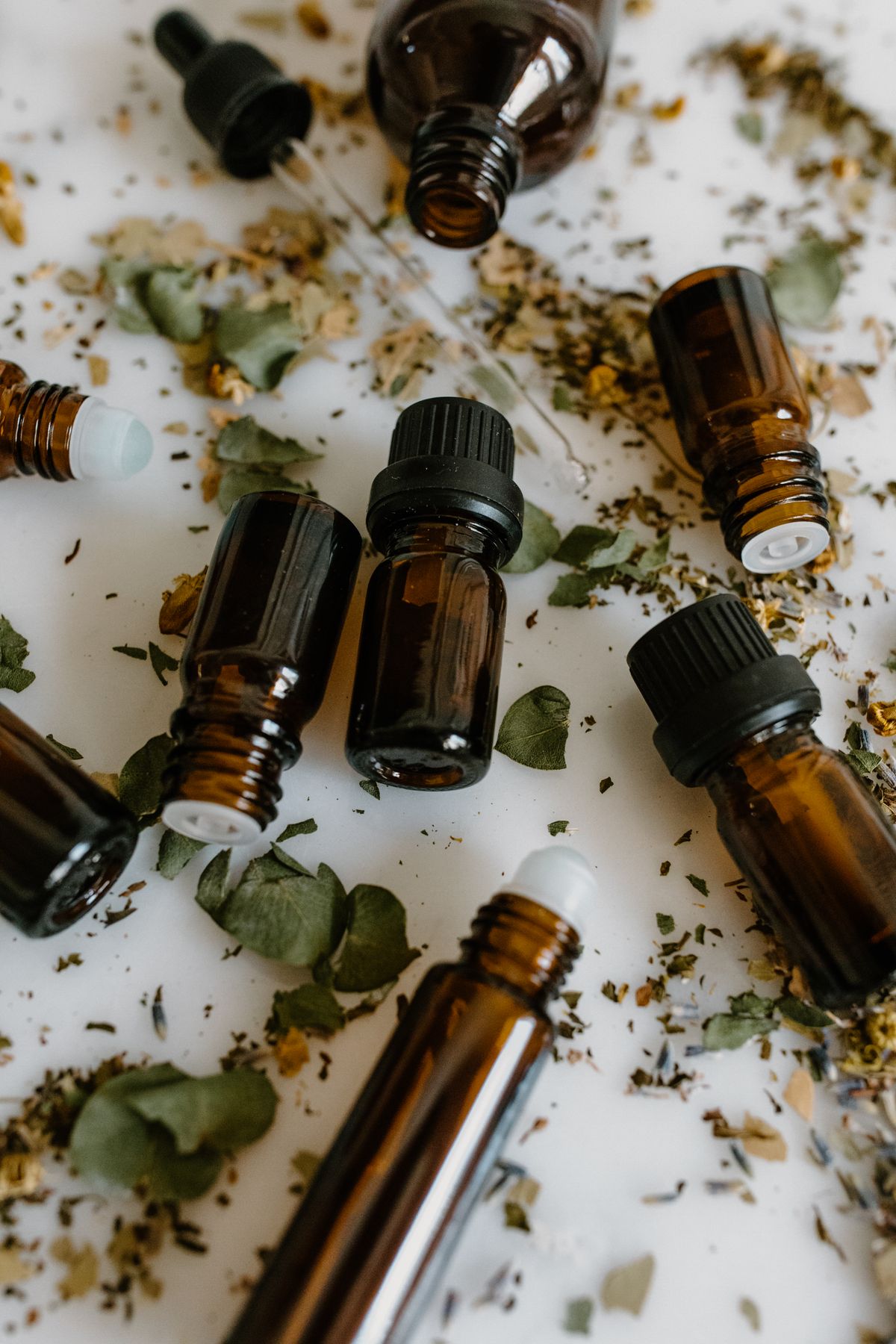
ESSENTIAL OIL BOTTLES
How Are Essential Oils Made?
Most essential oils are produced through steam distillation: steam passes through plant material, releases the volatile aromatic compounds, and the resulting vapour is captured and condensed into oil and water. The oil floats to the surface and is separated.
Citrus oils — orange, lemon, bergamot, grapefruit — are typically cold-pressed directly from the peel of the fruit. This method is gentler and preserves the bright, fresh quality citrus is known for.
A few rare or delicate florals, like jasmine and rose absolute, require solvent extraction, which yields what are technically called absolutes rather than essential oils. These are richer and more tenacious in scent, and are often used in natural perfumery.
Understanding extraction matters because it affects purity, price and use. Steam-distilled and cold-pressed oils are what most aromatherapy practice is built around, and what you’ll find across the Colour Energy essential oils collection.
What Are Essential Oils Used For?
Diffusing. Adding a few drops to an ultrasonic diffuser disperses the oil as a fine mist into the air, scenting a room and shifting its atmosphere. A citrus oil like sweet orange can make a space feel more open and cheerful; cedarwood tends to ground and quiet it. Colour Energy’s Colour Your Mood™ Diffuser Mixes are pre-blended for specific moods — the Get Up & Go Diffuser Mix for mornings, the Garden of Eden Diffuser Mix for an evening of warmth and sensory pleasure.
Topical use (diluted). Mixed with a carrier oil and applied to the skin, essential oils are used in massage, skincare and personal ritual. A few drops of lavender in jojoba, applied to the wrists or shoulders before sleep, is one of aromatherapy’s most enduring practices. Topical use always requires dilution (more on that below).
Atmosphere and ritual. Many people use essential oils in meditation, breathwork or simply as a personal scent cue — something that signals the start of quiet time. Frankincense has been used in sacred ceremony for millennia; inhaling it slowly creates a natural pause. The A-U-M — Colour Your Mood™ Diffuser Mix is blended with frankincense, lavender and jasmine to support meditation and moments of quiet intention.
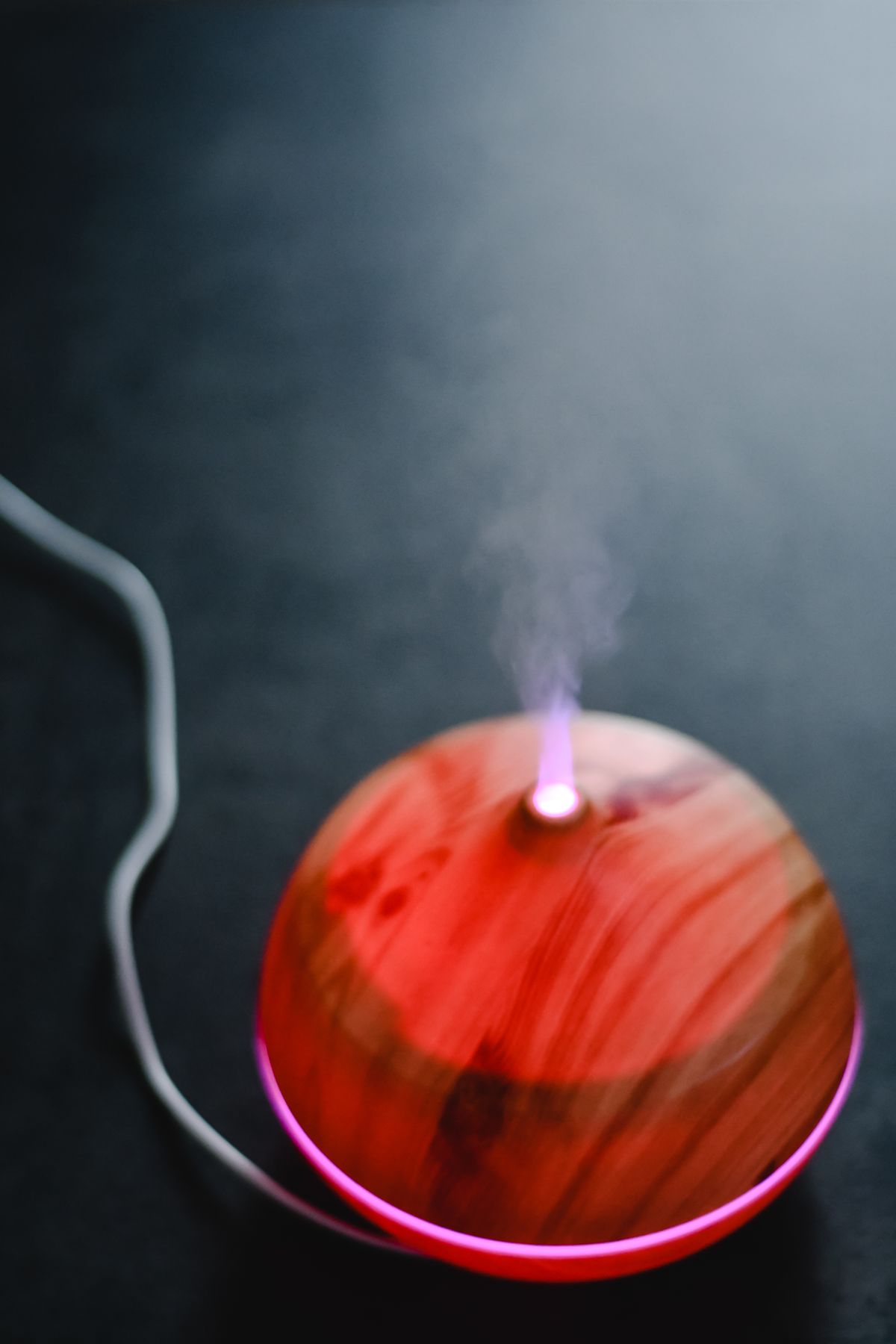
AROMATHERAPY DIFFUSER
Which Essential Oils Should a Beginner Start With?
The world of essential oils is enormous — there are hundreds to explore. Starting with a small, versatile selection makes the learning curve genuinely enjoyable. These five oils are widely considered the best introduction to aromatherapy.
Lavender
Lavender is the most universally loved essential oil, and for good reason: its floral, herbaceous scent is gentle enough to be used across almost every context. It’s traditionally chosen for moments that call for quiet and ease — evening routines, meditation, winding down. In colour traditions, lavender’s soft violet-blue shade connects it to the upper energy centres.
→ Lavender Essential Oil
Sweet Orange
Warm, sweet and instantly uplifting, sweet orange brings brightness to any blend. Cold-pressed from the fruit peel, it’s one of the most joyful citrus oils to work with. Within colour and energy traditions, orange is associated with the Sacral energy centre — creativity, warmth and sensory delight.
→ Orange (Sweet) Essential Oil, Organic
Peppermint
Crisp, cooling and unmistakably fresh, peppermint is the go-to oil for mental clarity. Many people diffuse it while working or studying. It’s invigorating without being harsh, and blends well with citrus and eucalyptus. A small amount goes a long way — peppermint is one of aromatherapy’s most concentrated oils.
→ Peppermint Essential Oil, Organic
Bergamot
Extracted from the peel of the bergamot orange, this is the oil behind the distinctive scent of Earl Grey tea. Light, slightly citrus, with a floral undertone, bergamot is often chosen for its warm and sociable quality. It’s also photosensitive — avoid applying to skin you’ll expose to direct sun.
→ Bergamot Essential Oil
Frankincense
A sacred oil with roots in ceremony across many cultures, frankincense has a warm, woody, slightly resinous quality that deepens as it settles. Many people find it naturally quieting — it slows the breath. Within colour and energy traditions, frankincense is associated with the Indigo energy centre and the quality of deep, inward awareness. Learn more about the Indigo energy.
→ Frankincense Essential Oil
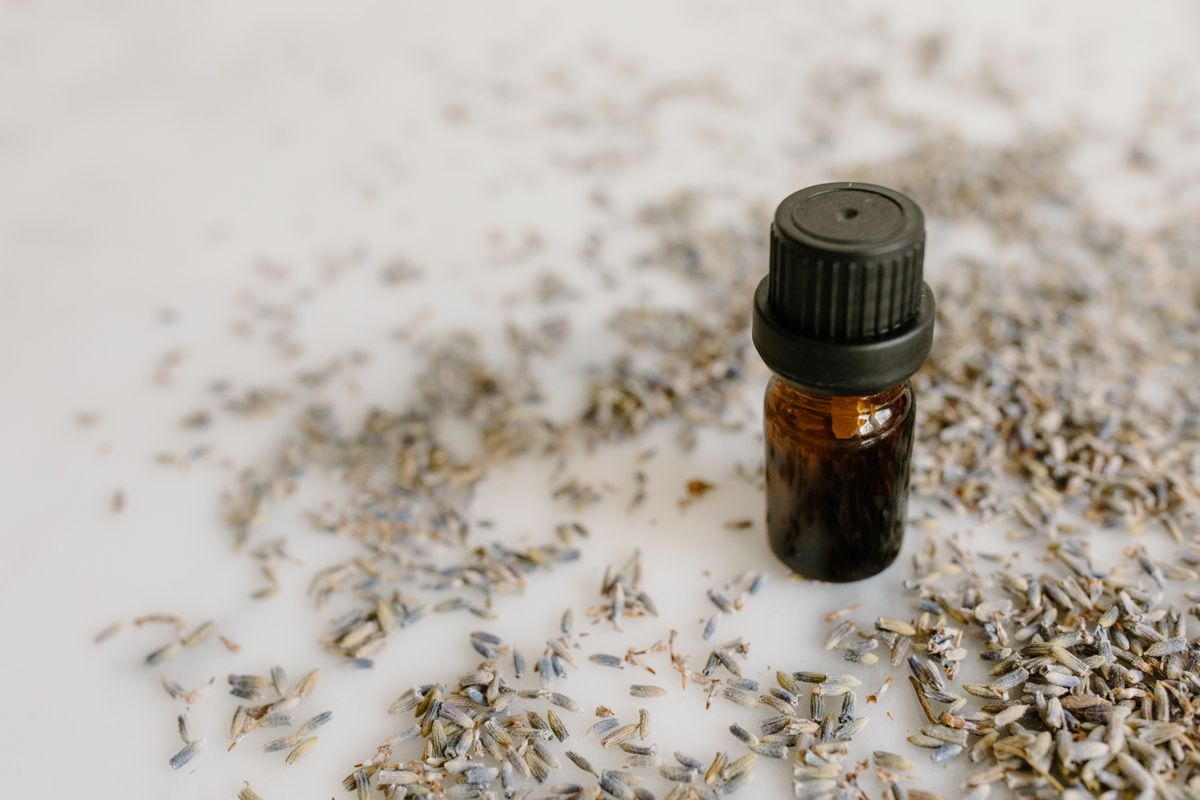
LAVENDER ESSENTIAL OIL
How Do You Use Essential Oils Safely?
Essential oils are natural, but concentrated — and a few straightforward guidelines make the difference between a good experience and an uncomfortable one.
Always dilute before applying to skin. A carrier oil — such as Jojoba Carrier Oil — dilutes the essential oil so it can be absorbed safely and comfortably. A standard dilution for adults is 2–3 drops of essential oil per teaspoon of carrier oil (roughly 2%). Sensitive skin or the face calls for 1% or less. Never apply undiluted essential oils directly to skin as a general practice — some are gentle enough for spot use, but most aren’t.
Carrier oils are not just diluters. They have their own properties, textures and skin feel. Jojoba is lightweight and absorbs easily, making it ideal for most skin types. Apricot kernel and avocado oils are richer and more nourishing. Choosing the right carrier is part of the practice. Browse the Colour Energy carrier oils collection.
Patch test first. Before using a new oil on your skin, apply the diluted blend to the inner arm and wait 24 hours. Skin sensitivities vary enormously.
Don’t ingest essential oils. Despite advice you may encounter online, consuming essential oils is not a standard part of aromatherapy practice and carries real risk. Essential oils are for aromatic and topical use.
Some oils require extra care. Citrus oils (bergamot, lemon, grapefruit) are photosensitive — they can cause skin reactions when exposed to UV light. Avoid sun exposure after topical application. If you’re pregnant, nursing, have young children or pets, or are managing a health condition, always check suitability before introducing a new oil.
How Do Essential Oils Connect to Colour and Chakra Traditions?
In Colour Energy’s tradition, essential oils don’t exist in isolation — they’re woven into a whole system of colour, energy and awareness. Each oil carries a colour association, and those associations connect naturally to the seven chakra energy centres.
Orange and citrus oils are traditionally paired with the Sacral energy centre — the orange centre associated with creativity and emotional flow. Frankincense, with its deep and inward character, connects to the Indigo tradition of intuition and contemplation. Lavender’s violet-blue quality gives it a natural affinity with the upper centres of awareness.
This is more than a theoretical exercise. Working with colour-aligned oils — choosing a frankincense blend when you want to settle into a meditation, reaching for bergamot when you want your space to feel warmer and more social — creates an intentional relationship with the sensory tools around you. It’s a practice, and like most practices, it deepens the more you engage with it.
Read our guide to what orange colour means and what indigo means to explore the colour connections further.
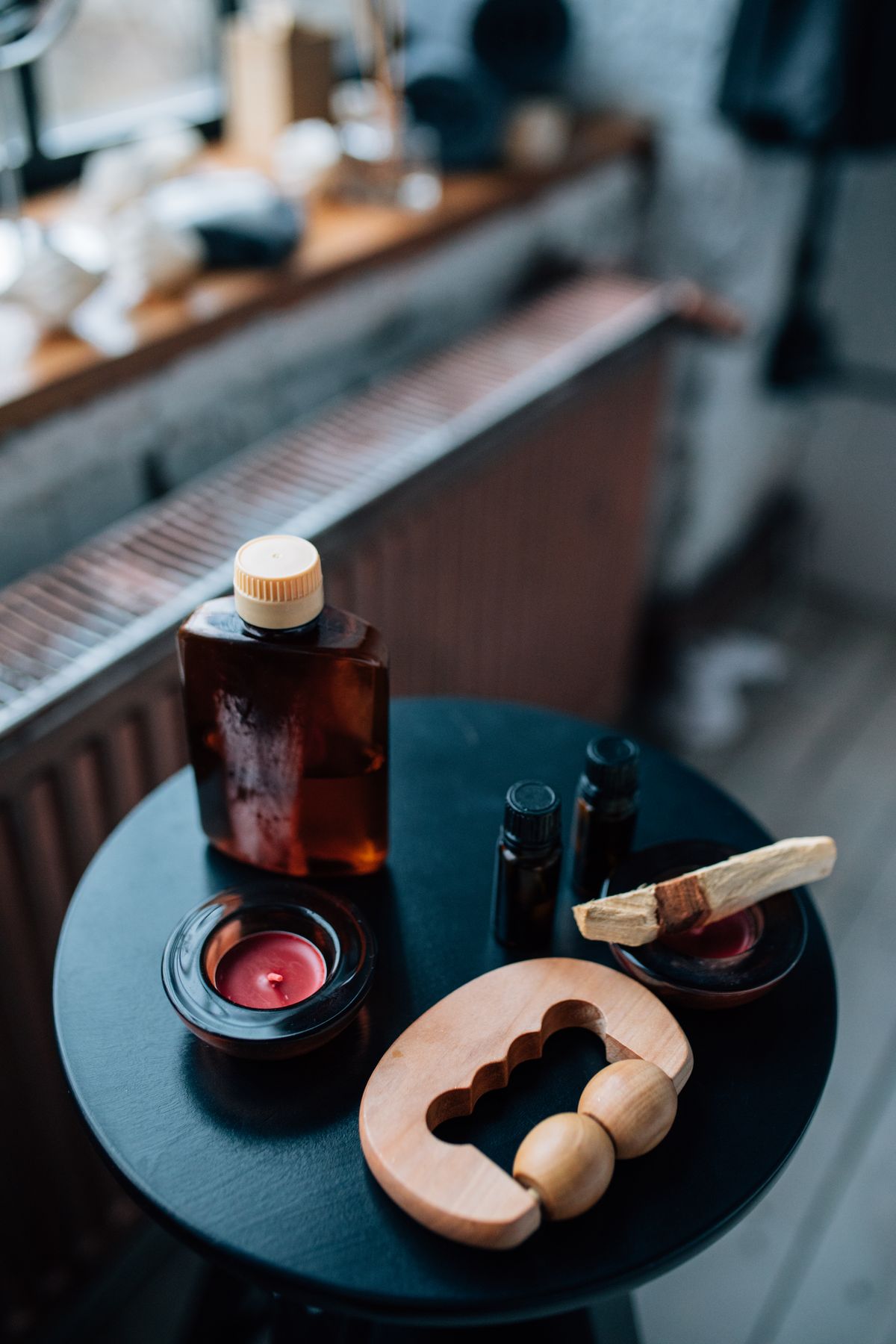
AROMATHERAPY AND COLOUR
Frequently Asked Questions About Essential Oils
Can I use essential oils every day?
Yes — daily use is common and part of how many people integrate aromatherapy into their lives. Diffusing is gentle and well tolerated. For topical use, keep to the recommended dilutions and give your skin occasional rest, especially with stronger oils like peppermint or clove. Variety is also worth building in — rotating through different oils keeps the practice fresh.
What’s the difference between an essential oil and a fragrance oil?
An essential oil is a genuine plant extract — steam-distilled or cold-pressed from real botanical material. A fragrance oil is a synthetic (or synthetic-natural blend) scent compound created in a lab. Fragrance oils can smell beautiful, but they don’t carry the same botanical origin and won’t behave the same way aromatically. In aromatherapy, essential oils from actual plants are what practitioners work with.
How much essential oil should I add to a diffuser?
Typically 3–6 drops per filling, depending on your diffuser’s tank size and the strength of the oil. Start with 3 drops and adjust to preference. Peppermint and other strong oils need fewer drops; softer floral oils may benefit from a little more. Run your diffuser in intervals — 30 to 60 minutes on, then a break — rather than continuously.
Are essential oils safe around pets?
Some essential oils are toxic to cats, dogs and other animals, even in diffused form. Cats are particularly sensitive — they lack the liver enzymes to process certain compounds found in many popular oils. If you have pets, especially cats, research each oil individually before diffusing it, and ensure the room is well ventilated with an easy exit for the animal.
Begin Where Your Senses Lead You
The most practical advice for starting with essential oils is also the simplest: begin with a scent you genuinely love. Aromatherapy engages the senses directly, and that direct sensory experience is part of its value. If bergamot makes your kitchen smell warm and inviting, that’s a real effect — felt, not imagined.
From there, you can begin to explore how different oils change the feel of different spaces and moments, how blending opens new combinations, and how the colour and chakra traditions can offer a framework for those choices. There’s always more to discover.